THE SHORT ANSWER
A completed inspection checklist shows that a safety control was present. It does not show that the control was working when an incident happened. A human factors analysis examines how safety controls actually performed under real operating conditions, and for anyone evaluating a lawsuit or a claim, that difference can change how liability and exposure are assessed.
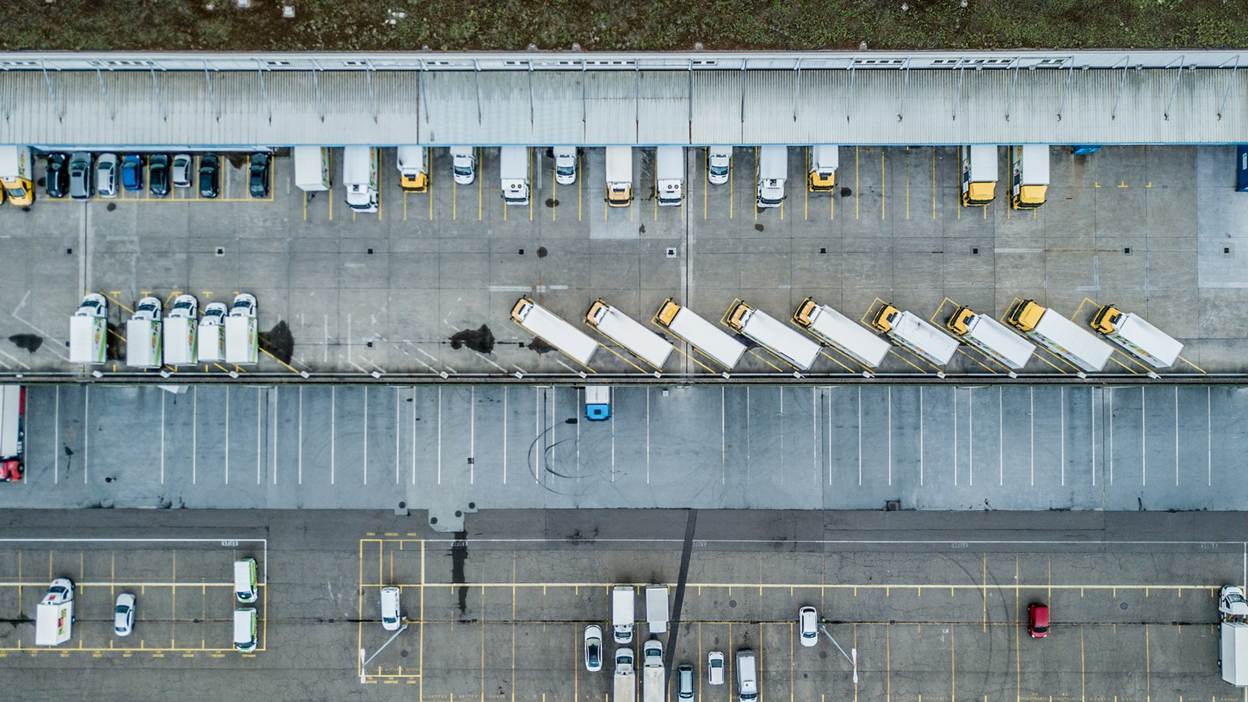
A delivery truck backs away from a loading dock and strikes a worker walking behind it. The truck has a backup camera and a proximity warning system. The fleet’s inspection checklist, completed the week before, shows both were present and the inspection was signed off. On paper, the safeguards were in place.
Then the questions start. Was the camera lens clean enough to show anything? Had the proximity alarm been going off so often in the yard that drivers had learned to tune it out? Had anyone reported a problem with either one, and if so, what happened to that report?
The checklist can’t answer those questions. That gap between a documented control and a functioning one is where many fleet and workplace safety cases are decided, and it is where a human factors analysis earns its place.
Why Safety Controls Can Fail Without Showing Up on Paper
Policies get written and inspections get signed off on schedule. What those records rarely capture is whether a control held up over time.
Backup cameras and proximity detection are among the measures OSHA points to in its guidance on preventing backover incidents, which is one reason they are common on commercial fleets. But a camera gets dirty. An alarm that fires at every pallet and parked car becomes noise that drivers stop hearing. Procedures drift as well, especially when a task written for a full crew is performed by a short-staffed shift. None of that shows up on the checklist, because the checklist wasn’t designed to see it.
Human factors specialists describe this as the difference between “work as imagined” and “work as done,” a distinction developed by safety researcher Erik Hollnagel. Work as imagined is what the policy manual says. Work as done is what employees actually do to get the job finished with the equipment and time they have. When an incident happens, the useful question is how far apart those two had drifted, and whether anyone knew.
I saw this distinction firsthand when I served as the Human Factors Subject Matter Expert on the U.S. Navy’s Comprehensive Review of Surface Forces following the USS Fitzgerald and USS John S. McCain collisions in 2017. As part of that team, I examined how the Navy’s safety policies, procedures, training requirements, and oversight mechanisms translated into actual operational practices. What became clear was that having controls in place, qualified personnel, and documented procedures did not necessarily mean those safeguards were working as intended. The investigations revealed gaps between what the system required and what was really happening in the operational environment, including gaps in proficiency, communication, and the implementation of established procedures. That experience shaped how I approach safety analysis today: I look beyond what an organization says it does or what its records show was supposed to happen, and examine whether its safety controls were understood, implemented, and effective under the conditions in which people were actually working.
Why the Difference Matters for Liability and Claims
Whether a safety control was actually working, rather than simply documented, can shift how responsibility for an incident is evaluated. A company with a well-documented safety program may still face hard questions if the evidence shows its controls had quietly stopped working and management had reason to know. The reverse is also true. An analysis grounded in the company’s own records can show that the controls were functioning and that the event arose from circumstances the system could not reasonably have anticipated. Either way, the conclusion rests on how the system actually performed, not on how complete the binder looks.
For claims professionals and risk managers, the same distinction affects how a loss is evaluated. A file that looks defensible because the paperwork is in order can change quickly once a deposition reveals that drivers routinely ignored the alarm. Knowing early whether the safeguards held up gives a clearer read on exposure. And the analysis that explains a loss after the fact can also find weakening barriers before the next one occurs.
What a Human Factors Analysis Examines
A forensic human factors analysis starts with what the organization intended and works toward what was actually happening when the event occurred. That typically includes:
- What policies, procedures, and training required, and how employees understood those requirements
- Whether inspections and maintenance tested function or only confirmed presence
- How workers interacted with the equipment, including alarm fatigue or a display that is hard to read in direct sunlight
- Workarounds and deviations that had become routine, and whether supervisors saw or tolerated them
- What information about degraded controls reached supervisors and management, and what was done with it
- Staffing, schedule pressure, incentives, and other conditions that shaped how the work was performed
- Which barriers were functioning at the time of the event, which had weakened, and which had failed
The goal is to reconstruct how the safety system actually performed before and during the event, using the organization’s records and the accounts of the people who worked inside it.
Records That Show Whether a Safety Control Was Working
Many of the documents that show whether a control was working are already in the organization’s possession, but they may not be frequently referenced. Counsel and adjusters may want to look beyond the inspection checklist to:
- Maintenance and repair records, especially deferred or repeated work orders on the same equipment
- Driver and operator reports of malfunctions or near misses
- Telematics, alarm logs, and other system data showing how the equipment behaved in use
- Training records, compared against evidence of how the training was applied in the field
- Internal emails and safety meeting minutes that discuss known problems, along with any audit findings
- Staffing and scheduling records for the period leading up to the event
Set side by side with the checklist, these records often show whether the control had been working or had only been recorded as present.
Applying the Analysis to the Loading Dock Incident
When I review a case like the one at the loading dock, my first question about the signed checklist is simple: did anyone ever test it? Did the inspection require someone to look at the camera image or trigger the alarm, or only to confirm both were installed? From there, I look for maintenance requests and driver complaints about the system, and at how the alarm behaved in a busy yard. I also ask whether drivers had been trained to rely on the camera alone, and whether spotters were required but routinely skipped.
The answers can cut either way. If drivers had been reporting a blurry camera for weeks while the work orders sat open, the clean checklist becomes evidence that the problem was known. If the alarm logs show the system functioning and a spotter on post, the same analysis supports the conclusion that the safeguards were working and the event arose from something the system could not reasonably have anticipated. Either way, the answers show whether the backup safeguards were a working barrier on the day of the incident or a line item on a form.

A checkbox shows that an inspection happened. It takes a closer look to show whether the safety system was doing its job, and that question matters as much to the people resolving this incident as to those trying to prevent the next one.
Talk With Aperture’s Human Factors Team
If you are handling a case or claim where the safety record looks complete but the incident suggests otherwise, Aperture’s Human Factors and System Safety experts can review the records and help determine how the safety system actually performed. Request a consultation.
Frequently Asked Questions
It is an examination of how people interacted with equipment, procedures, and the work environment leading up to an incident. In a case or claim, it helps explain why an event happened by comparing what the organization required with what was actually occurring.
It helps, but it is rarely the whole story. Documentation shows what the company intended. The evidence also has to show whether those controls were functioning, and a strong record carries more weight when the analysis confirms they were.
As early as practical. Early involvement helps shape document requests and deposition questions, and it improves the chance of preserving system data, such as alarm logs or telematics, that may be overwritten on a routine cycle.
